Apartment Floor Plan Materials Guide
A practical step-by-step guide to apartment floor plan materials guide, including preparation, instructions, common issues, tips, and next steps.
Apartment Floor Plan Materials Guide
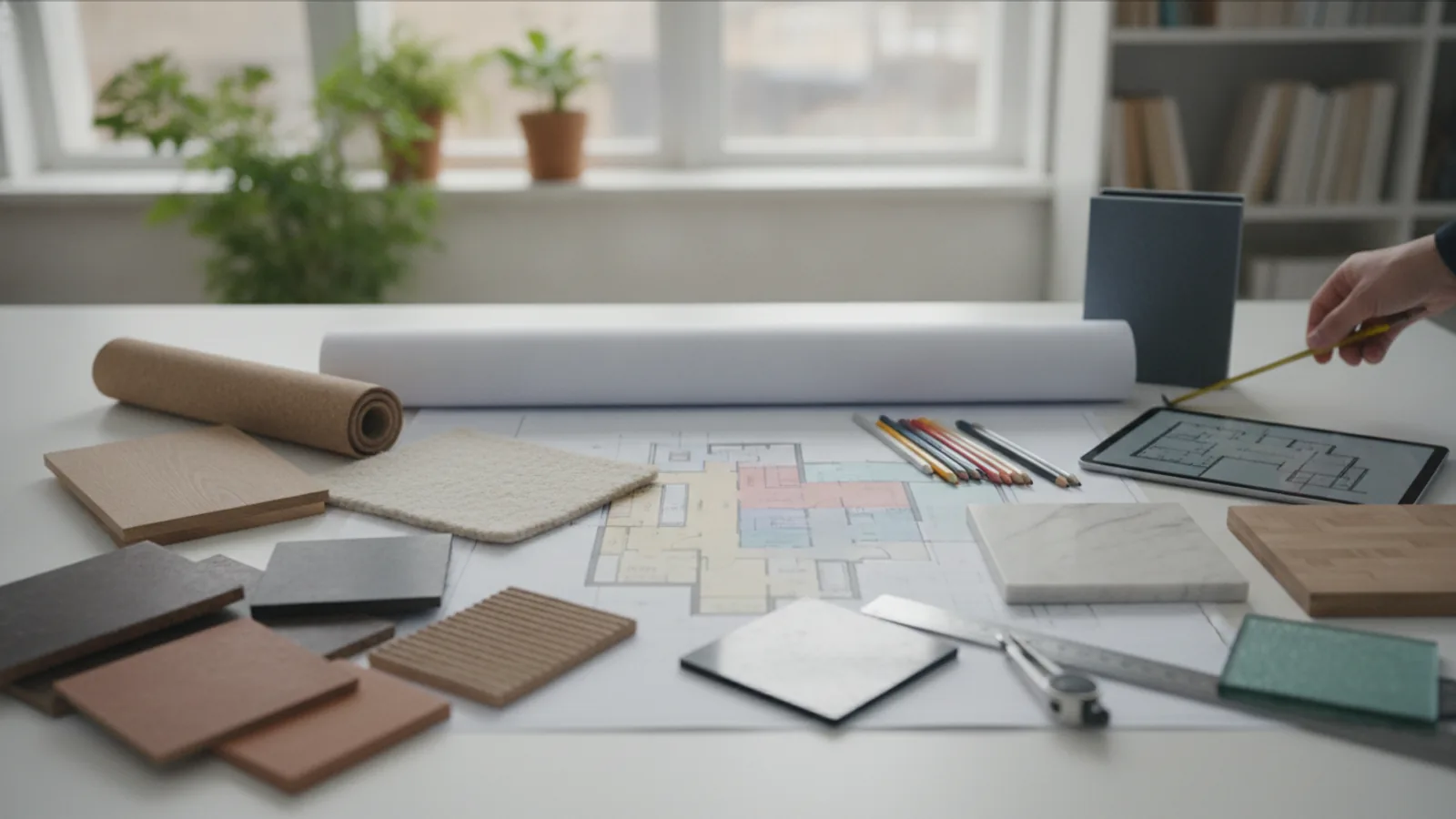
This guide explains how to approach apartment floor plan materials guide, including the preparation, practical steps, common mistakes, and final checks that help you finish with confidence.
Before You Start
Step-by-Step Instructions
Quick Reference
Common Problems When Interpreting Apartment Floor Plan Materials
Even with a clear guide, you might encounter a few snags when trying to understand apartment floor plan materials. Knowing these common issues and their solutions can save you time and prevent disappointment.
Missing or Incomplete Legend
Problem: The floor plan either has no legend at all, or the legend provided doesn't explain all the symbols and patterns used. This leaves you guessing about key material choices.
Fix: This is a common oversight. Your immediate action should be to contact the estate agent, landlord, or developer and explicitly request a complete and clear legend or a detailed specification sheet for the property. Do not proceed with assumptions.
Vague or Generic Material Descriptions
Problem: The legend might say "wood flooring" without specifying the type (e.g., oak, pine, engineered, solid) or simply "tiled walls" without mentioning ceramic, porcelain, or natural stone. This lack of detail can hide important quality differences.
Fix: When encountering vague descriptions, it's crucial to ask for more specific information. Enquire about the exact type, grade, or even brand of material if possible. If you're viewing the property, you can also assess the quality firsthand during your visit.
Differences Between Plan and Actual Property
Problem: You've interpreted the floor plan, but during a physical viewing, you notice that some materials or fixtures are different from what was shown on the plan. This can be frustrating and misleading.
Fix: Always treat floor plans as indicative. They are often created early in the development or renovation process. If there's a discrepancy, point it out immediately to the agent and ask for an explanation. Ensure you receive confirmation in writing regarding the final materials and finishes if they differ from the original plan.
Overlooking Key Areas or Details
Problem: In your eagerness to understand the main rooms, you might accidentally overlook smaller but important areas like utility cupboards, balconies, or specific features within bathrooms or kitchens.
Fix: Develop a systematic approach. Go room by room, and within each room, check off each category: flooring, walls, doors, windows, and any fixtures or built-in elements. Use your notes to ensure you've scrutinised every part of the apartment floor plan materials guide.
Difficulty Visualising the Materials
Problem: Even with material names, it can be hard to picture what "laminate flooring" or "plastered walls" will actually look and feel like in the space.
Fix: If you're unsure, look up examples of the specified materials online. Search for images of rooms with those materials to get a better visual sense. Better yet, try to visit the property in person to see and touch the materials first-hand.
Advanced Tips for Interpreting Apartment Floor Plan Materials Guide
Once you've mastered the basics, these advanced tips can help you gain an even deeper understanding and make more informed decisions about an apartment.
Consider Material Durability and Maintenance Requirements
Beyond simply identifying materials, think about their long-term implications. Different materials have varying levels of durability and require specific maintenance. For instance, natural hardwood floors are beautiful but can scratch and require regular care, whereas high-quality laminate or engineered wood might be more resilient and easier to clean.
Ask about the specific type and grade of materials. Understanding this can help you estimate future cleaning efforts, potential repair costs, and overall suitability for your lifestyle, especially if you have pets or children.
Assess the Impact on Acoustics and Noise
The materials chosen for an apartment significantly affect its acoustics. Hard surfaces like tiles, wood, and bare plastered walls tend to make rooms more echoey and can contribute to higher noise levels. Softer materials, such as carpets, textile wall coverings, or even heavy curtains (if indicated), can absorb sound and make a space feel quieter and more comfortable.
If you're sensitive to noise or plan to live in a busy area, factor in how the dominant materials might influence sound transmission both within the apartment and from outside.
Evaluate Renovation Potential (for Owners)
If you're buying an apartment, consider how easy or costly it would be to change the existing materials in the future. For example, replacing old tiles can be a big job, while simply laying new carpet over an existing subfloor might be straightforward. Note the existing floor levels and wall structures.
Understanding the underlying materials and construction can inform your long-term renovation budget and possibilities.
Think About Thermal Properties and Energy Efficiency
Materials also have thermal properties. For instance, some flooring materials, like certain types of tiles, can feel colder underfoot than wood or carpet, especially in apartments without underfloor heating. Window and door materials (e.g., single glazing vs. double glazing, uPVC vs. timber frames) greatly impact insulation and heat retention.
Look for indications of these material choices, as they directly influence the apartment's energy efficiency and your heating/cooling costs. Better insulated materials can lead to significant savings.
Visualise Light Interaction and Atmosphere
While not strictly a material, consider how the chosen finishes will interact with natural and artificial light. Lighter flooring and wall colours can make a room feel brighter and larger by reflecting light. Darker, matte surfaces absorb light, creating a more intimate or dramatic atmosphere, but can also make a room feel smaller.
Use your understanding of the materials to imagine the overall feel and brightness of each room at different times of the day.
Apartment Floor Plan Materials Guide FAQ
Q: What if the floor plan doesn't show materials at all?
A: It's quite common for basic marketing floor plans to omit fine material details, focusing instead on layout and dimensions. In this situation, you must proactively ask the estate agent, landlord, or developer for a detailed specification sheet or materials schedule. This document will list all the finishes and fixtures, often with specific brands or types. Always confirm details during a physical viewing if possible.
Q: Are the materials on the plan always exactly what I'll get?
A: Not always. Floor plans, especially for new builds or properties undergoing extensive renovation, can sometimes be indicative. Materials might be changed due to availability, supplier issues, or design updates. It is absolutely critical to verify the materials in person during a viewing. If you're signing a contract, ensure the final agreed-upon materials are explicitly listed in the legal documents.
Q: How important is understanding the scale on a floor plan?
A: Understanding the scale is very important, even if not directly related to materials. It helps you grasp the actual size of rooms and how your furniture will fit. A material might look great on a small plan, but the space itself might be too cramped for your belongings. Always look for a scale bar or stated dimensions for rooms and use them to visualise the space accurately.
Q: What's the difference between a floor plan and a materials schedule?
A: A floor plan provides a bird's-eye view of the apartment's layout, room dimensions, and typically uses symbols or patterns to *indicate* general material types (e.g., "carpet," "tile"). A materials schedule (or specification sheet) is a separate, often text-based document that gives a detailed written list of *all* materials, finishes, and fixtures. This includes specific types of flooring, wall finishes, sanitaryware brands, appliance models, and more. For comprehensive understanding, you should aim to get both.
Q: Can I request specific material changes before moving in?
A: If you are buying a new-build apartment, especially off-plan, you might have an opportunity to choose certain finishes or upgrade materials (e.g., different kitchen cabinet colours, flooring options) for an additional cost. For rental properties or existing homes, changes are typically not permitted unless explicitly agreed upon with the landlord or seller. Always discuss any desired changes early in the process and get all agreements in writing.
Final Checklist for Apartment Floor Plan Materials Guide
Before you make any decisions about an apartment, use this checklist to ensure you've thoroughly reviewed the floor plan and its material specifications:
- Found the Legend: Did you locate and fully understand the floor plan's legend or key?
- Flooring Materials Identified: Have you clearly noted the flooring material for every single room in the apartment?
- Wall Types & Finishes Noted: Did you identify any specific wall types or finishes (e.g., exposed brick, special plaster) mentioned?
- Fixtures Confirmed: Have you identified and clarified all included fixtures and appliances in the kitchen and bathrooms?
- Doors & Windows Understood: Do you understand the type of doors and windows, and the swing direction of all doors?
- Built-in Features Spotted: Have you identified any built-in storage, balconies, or other unique features?
- Unclear Symbols Clarified: Did you ask the estate agent or landlord about any symbols or descriptions you didn't understand?
- Material Implications Considered: Have you thought about the durability, maintenance, acoustic properties, and thermal performance of the specified materials?
- Verified Against Viewing: If possible, have you verified that the materials on the plan match what you observed during a physical viewing of the property?