Boutique Hotel Design Ideas
A practical step-by-step guide to boutique hotel design ideas, including preparation, instructions, common issues, tips, and next steps.
Boutique Hotel Design Ideas
This guide explains how to approach boutique hotel design ideas, including the preparation, practical steps, common mistakes, and final checks that help you finish with confidence.
Before You Start
Step-by-Step Instructions
Quick Reference
Common Problems When You Boutique Hotel Design Ideas
Even with a clear vision, challenges can arise during the design process for a boutique hotel. Being aware of these common pitfalls can help you avoid them.
Inconsistent Theme or Vision
One of the biggest issues is when the hotel's theme or story isn't carried through consistently across all areas. This can happen if different designers work on separate sections without strong oversight, or if the initial vision wasn't clear enough. The result is a disjointed feel that confuses guests and dilutes the boutique experience.
Fix: Establish a very detailed brand guideline and design brief at the start. Appoint one lead designer or project manager to ensure every decision aligns with the core vision. Regularly review progress against your initial mood boards and concept drawings.
Overspending or Budget Blowouts
Boutique hotels often involve custom elements and high-quality materials, which can quickly lead to costs spiralling out of control. Underestimating material costs, labour, or not accounting for unexpected issues are common causes.
Fix: Create a highly detailed budget from the outset, including a significant contingency fund (15-20%). Get multiple quotes for all major items and services. Consider value engineering where appropriate, finding cost-effective alternatives that don't compromise the overall aesthetic or quality.
Ignoring Local Context
A hotel that looks like it could be anywhere in the world misses a key opportunity to connect with its location. Failing to incorporate local culture, history, or natural beauty can make a boutique hotel feel generic and less appealing.
Fix: Deep dive into local research. Involve local artisans, artists, and historians in the design process. Use locally sourced materials where appropriate. Ensure your design tells a story that is genuinely rooted in its surroundings.
Poor Functionality or Guest Flow
Sometimes, a beautiful design can be impractical. Layouts that make it hard for guests to navigate, cramped spaces, or rooms that don't offer basic comforts can severely impact the guest experience. For example, beautiful but uncomfortable chairs, or a bathroom design that offers no storage.
Fix: Prioritise functionality and comfort alongside aesthetics. Walk through the guest journey mentally – or even physically, if you have a prototype space. Get feedback from potential guests or hospitality consultants. Ensure practical considerations like storage, power outlets, and lighting are thoroughly planned.
Lack of Originality
In an effort to be trendy, some boutique hotels end up looking very similar to others, using popular styles or Instagrammable clichés without adding their own twist. This leads to a lack of genuine personality.
Fix: Don't just follow trends. Look for unique inspiration points. Focus on innovation, unexpected combinations of materials, and genuinely personal touches. The goal is to set trends, not merely follow them. Embrace the eccentricities that make your hotel truly one-of-a-kind.
Advanced Tips for Boutique Hotel Design Ideas
To truly elevate your boutique hotel design beyond the basics, consider these advanced strategies that can create an even more immersive and memorable guest experience.
Create a Sensory Journey
Beyond visual appeal, engage all five senses. Think about the signature scent of your lobby, the curated music playlists in public areas, the tactile qualities of your fabrics, and the flavours offered in your restaurant. A cohesive sensory experience can leave a lasting impression and reinforce your hotel's unique brand. For example, a bespoke playlist that evolves throughout the day can subtly influence mood.
Embrace Hyper-Personalisation
Take personalisation beyond a standard welcome note. Consider how design elements can allow for guest customisation. This could be modular furniture arrangements in suites, a selection of pillow types, or even smart room technology that learns guest preferences over time. The ultimate goal is for guests to feel that the space is uniquely theirs, even if for a short stay.
Integrate Art as a Core Feature, Not an Afterthought
Instead of merely hanging art on walls, think about how art can be integrated into the architecture itself or become a central interactive feature. This could be a dramatic art installation in the lobby, a rotating gallery featuring local artists, or even artistic elements built into custom furnishings or lighting. Make art part of the narrative and experience, not just decoration.
Design for Flexibility and Adaptability
Consider how spaces can serve multiple functions throughout the day or for different types of events. A breakfast area might transform into a co-working space, then a cocktail lounge. Modular furniture, clever partitions, and integrated technology can facilitate these transitions, maximising the utility of your square footage and offering varied experiences.
Focus on Storytelling Through Every Detail
Every single element, from the choice of toiletries to the type of coffee served, can tell part of your hotel's story. For example, if your hotel's theme is "sustainable luxury," ensure toiletries are organic and locally sourced, and coffee comes from ethical producers. These micro-narratives add layers of depth and authenticity to the overall guest experience, turning small details into meaningful connections.
Prioritise Biophilic Design
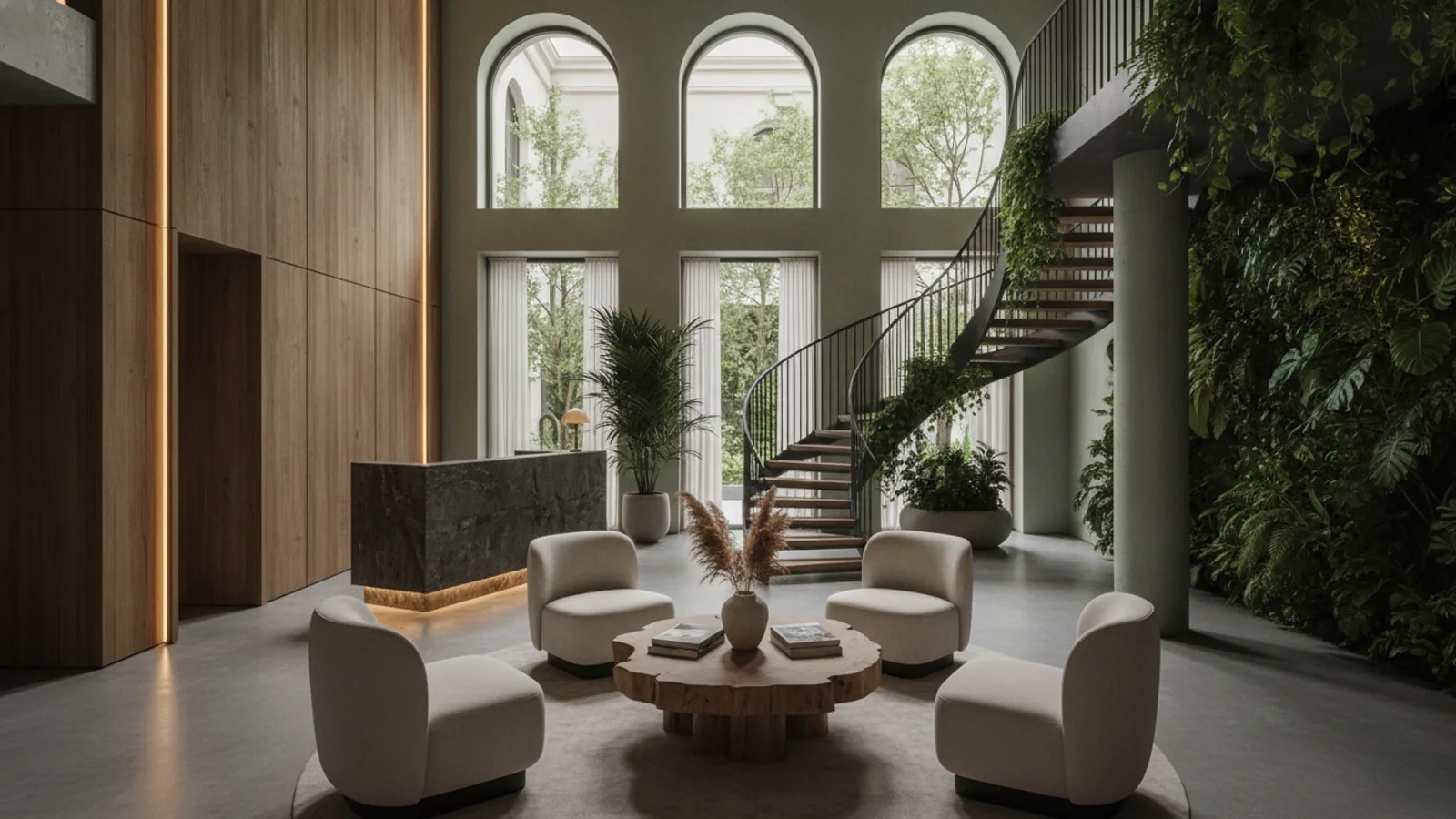
Biophilic design involves connecting occupants with the natural environment through design. This can include living walls, abundant natural light, natural materials like wood and stone, views of greenery, and even the incorporation of water features. Such elements have been shown to reduce stress and improve well-being, enhancing the guest's sense of relaxation and connection to nature.
Boutique Hotel Design Ideas FAQ
What truly makes a hotel "boutique" beyond just being small?
A boutique hotel is defined by its distinctive personality, unique character, and an emphasis on providing a highly personalised guest experience. While they are typically smaller than large chain hotels, the key is their curated design, specific theme or story, and often a strong connection to their local environment. They focus on style, service, and individuality over uniformity.
How important is a specific theme or story in boutique hotel design?
A specific theme or story is incredibly important. It acts as the soul of the hotel, guiding all design decisions and creating a cohesive, memorable identity. Without it, a hotel might have stylish elements but lack the unique charm and personality that defines a true boutique experience. The theme helps differentiate the hotel and provides a narrative for guests to engage with.
Can I design a boutique hotel on a limited budget?
Yes, it's possible, but it requires creativity and smart choices. Focus on making big impacts with smaller budgets by investing in key areas like comfortable beds and unique artwork, rather than expensive structural changes. Utilise upcycling, local artisans, and clever material choices. A strong theme and attention to detail can often outweigh the need for high-cost luxury finishes, provided quality is maintained.
How do I balance luxury with functionality in design?
Balancing luxury and functionality means creating spaces that look stunning but also work seamlessly for guests and staff. This involves selecting durable yet beautiful materials, ensuring comfortable and ergonomically sound furniture, and designing intuitive layouts. Always consider the practical needs of a guest, such as easily accessible power outlets, ample storage, and effective lighting, without compromising on aesthetic appeal. A truly luxurious experience is also a effortless one.
What role does sustainability play in modern boutique hotel design?
Sustainability is becoming increasingly crucial. Modern boutique design can integrate sustainable practices through the use of eco-friendly materials, energy-efficient lighting and HVAC systems, water-saving fixtures, and local sourcing for furnishings and food. Not only does this reduce the hotel's environmental impact, but it also appeals to a growing number of environmentally conscious travellers, enhancing the hotel's brand image.
Final Checklist for Boutique Hotel Design Ideas
Before finalising your boutique hotel design, use this checklist to ensure all critical aspects have been considered and executed to perfection.
By carefully addressing each point on this checklist, you can be confident that your boutique hotel design will not only be beautiful but also provide an exceptional and memorable experience for every guest.