How To Design A Rental Apartment
A practical step-by-step guide to how to design a rental apartment, including preparation, instructions, common issues, tips, and next steps.
How To Design A Rental Apartment
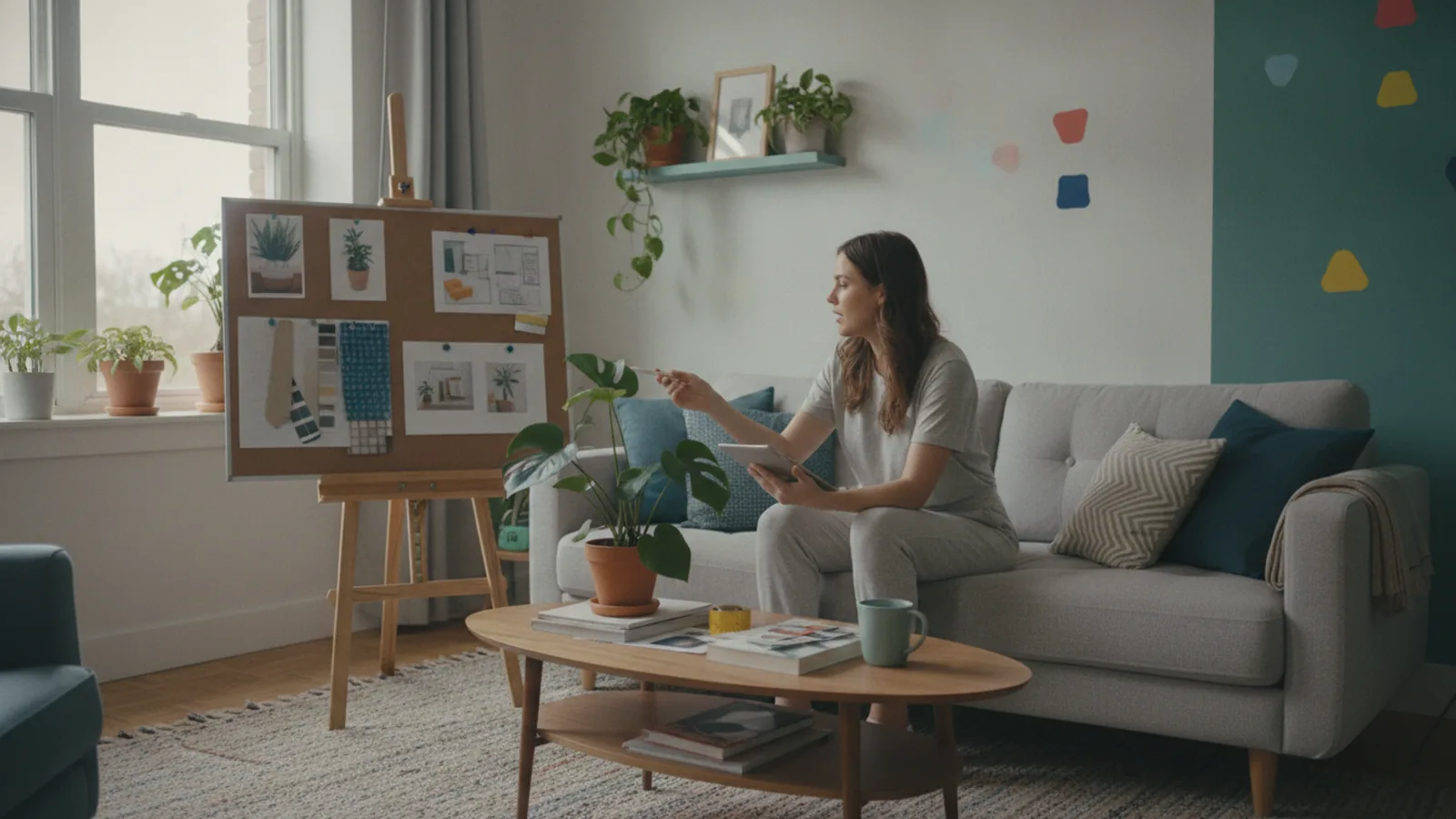
This guide explains how to approach how to design a rental apartment, including the preparation, practical steps, common mistakes, and final checks that help you finish with confidence.
Before You Start
Step-by-Step Instructions
Quick Reference
Common Problems When You Design A Rental Apartment
Even with the best intentions, designing a rental apartment can come with a few common roadblocks. Knowing what these are and how to tackle them can save you time, effort, and potential disputes with your landlord.
Damaging Walls or Fixtures
Problem: You want to hang art or shelves, but you're worried about putting holes in the walls or damaging paint, which could lead to deductions from your security deposit.
Fix: This is a very common concern. The best solution is to use **damage-free hanging solutions** like adhesive picture hanging strips (e.g., Command strips), which are designed to hold weight and remove cleanly without residue. For heavier items, consider **leaning artwork against walls** on top of sideboards or dressers. You can also use **freestanding shelving units** for displaying decor. If your lease allows very small picture nails, ensure you fill the holes neatly with filler and paint match precisely when you move out.
Ignoring Lease Agreement Rules
Problem: You made changes to the apartment (e.g., painted walls, installed permanent fixtures) without checking your lease or getting landlord approval, only to find out it was forbidden.
Fix: This is the most crucial problem to avoid. The solution is always to **read your lease agreement thoroughly** before starting any decorating project. If you're unsure about a specific change, **get written permission from your landlord or letting agent**. This protects both you and your landlord and prevents difficult situations when it's time to move out. Reversing unauthorised changes can be costly and time-consuming.
Overspending on Temporary Decor
Problem: You get carried away with decorating and end up spending too much money on items that you might not be able to take with you or don't suit your next home.
Fix: **Set a clear budget before you start shopping.** Prioritise items that are essential, durable, and easily transportable. Focus on versatile pieces like good quality rugs, comfortable cushions, and stylish lamps that can transition to future homes. Look for second-hand treasures, DIY projects, or sales to keep costs down. Remember, the goal is to make it feel like home, not to invest in permanent fixtures.
Clutter and Lack of Storage
Problem: Rental apartments often lack sufficient built-in storage, leading to clutter quickly accumulating and making the space feel cramped and messy.
Fix: Be strategic with your furniture choices. Invest in **multi-functional furniture** that doubles as storage, such as ottoman benches or beds with integrated drawers. Utilise **vertical space** with tall bookcases or stackable storage units. Under-bed storage containers, over-the-door organisers, and drawer dividers can also make a huge difference in keeping your belongings tidy and out of sight. Regularly decluttering also plays a vital role in preventing clutter from overwhelming your space.
Dealing with Pre-Existing Fixtures or Colours
Problem: The rental comes with an existing paint colour, carpets, or light fixtures that you dislike, but you're not allowed to change them.
Fix: Learn to design *around* these elements. If the walls are an unpleasant colour, use **large rugs, bold artwork, or wall tapestries** to draw attention away from them. Incorporate your preferred colours through **textiles like cushions, throws, and curtains**. For dated light fixtures, you can often **replace the lampshade** with one that matches your style (store the original carefully). If the carpets are bad, a large area rug can cover most of it and anchor your design. Focus on adding elements you love that distract from the things you don't.
Advanced Tips for How To Design A Rental Apartment
Once you've mastered the basics of designing your rental within the rules, you can explore more creative and impactful ways to personalise your space. These advanced tips focus on making a bigger statement while still respecting your lease.
Create a Cohesive Colour Palette
Instead of just picking colours you like, develop a cohesive colour palette for your entire apartment. Choose **2-3 main colours and 1-2 accent colours** that work well together. Carry these colours subtly through different rooms using rugs, cushions, artwork, and decorative items. This creates a sense of flow and makes the entire apartment feel more intentionally designed and sophisticated, even if the base colours (walls) are out of your control.
Use Temporary Wallpaper or Wall Decals
If your landlord allows temporary wall coverings that remove cleanly, this can be a game-changer. **Peel-and-stick wallpaper** comes in countless patterns and textures and can completely transform a wall or a whole room. Similarly, large **wall decals** can add graphic interest without the commitment of paint. Always do a small, inconspicuous test patch first to ensure it removes cleanly from your specific wall surface before committing to a larger application. These options offer a dramatic design impact for renters.
Invest in Dual-Purpose or Modular Furniture
Maximise every inch of your rental by choosing furniture that serves more than one purpose or can be easily reconfigured. Examples include **sofa beds for guests, nesting tables that provide extra surface area when needed, or storage ottomans**. Modular shelving units can be adjusted to fit different spaces or functions. This approach is particularly useful in smaller apartments or open-plan layouts, giving you flexibility and efficiency.
"Zone" Open-Plan Spaces
If you live in an open-plan apartment, it can sometimes feel like one big, undefined space. Advanced design uses "zoning" to create distinct areas for different activities (e.g., living, dining, working) without building walls. Use **large area rugs** to anchor each zone, place **tall bookcases or console tables** to act as soft dividers, or arrange furniture to face inward to create conversational nooks. Different lighting for each zone also helps define its purpose, making the overall space feel more functional and inviting.
Upgrade Small, Easily Reversible Details
Sometimes, it's the little things that make the biggest difference. If permitted, consider upgrading small, inexpensive fixtures that are easily reversible. This might include **replacing basic door handles or cupboard pulls** with more stylish ones (store the originals to put back when you leave). You could also swap out a standard shower head for a more modern or water-efficient one. Even switching out basic light switch plates or plug covers for something sleeker can elevate a room. Always keep the original fixtures safe so you can reinstall them at the end of your tenancy.
Curate a Gallery Wall with Meaningful Items
Instead of just hanging a few pictures, plan a thoughtful gallery wall. Mix framed art prints with personal photos, small mirrors, and even interesting objects like decorative plates or small shelves. Use a consistent colour palette for frames or choose a variety for an eclectic look. Lay out your arrangement on the floor first to get the spacing right before using your damage-free hanging strips. A well-curated gallery wall tells a story and is a powerful way to infuse personality into your rental.
How To Design A Rental Apartment FAQ
Can I paint the walls in my rental apartment?
This depends entirely on your lease agreement. Some landlords allow it, often with the condition that you paint it back to the original colour when you move out. Others strictly forbid any painting. **Always check your lease first**, and if it's unclear, **ask your landlord for written permission** before you buy any paint.
How can I hang pictures without damaging the walls?
The best way is to use **adhesive picture hanging strips or hooks** (like Command strips). These are designed to hold various weights and remove cleanly without leaving holes or residue. For lighter items, you can also use washi tape for a decorative touch or lean frames on shelves and furniture.
What if my landlord says no to almost everything?
Don't worry! You can still make a huge impact. Focus on **removable items** such as large area rugs, curtains, cushions, throws, and freestanding furniture. Use plenty of **plants** to add life and colour. Personalise with **artwork, photos, and decorative objects** placed on shelves, tables, or leaned against walls. Good lighting from lamps can also transform the mood of a room dramatically without any permanent changes.
How can I make a small rental apartment feel bigger?
Several tricks can help. Use **light colours** on walls (if allowed) and textiles. Incorporate **mirrors** strategically to reflect light and create an illusion of space. Choose **furniture with slender legs** and avoid bulky pieces. Maximise **vertical storage** to keep floor space clear, and **declutter regularly**. Good lighting also makes a space feel more open and airy.
What's the cheapest way to decorate a rental?
Look for **second-hand items** in charity shops or online marketplaces. **DIY projects** like making your own cushion covers or painting inexpensive frames can save money. Utilise **plants** for natural decor. Focus on **textiles** like colourful throws and inexpensive rugs. Sometimes, simply **rearranging your existing furniture** or decluttering can make a big difference without spending a penny.
Can I change light fixtures in a rental?
Generally, you should not change permanent electrical fixtures like ceiling lights without explicit written permission from your landlord and ensuring any work is done by a qualified electrician. However, you can often **replace lampshades** or add **freestanding floor and table lamps** to update the lighting style and atmosphere.
Final Checklist for How To Design A Rental Apartment
Before you consider your rental apartment design complete, run through this final checklist to ensure you've covered all bases and are ready to enjoy your personalised home.
By following these steps and considering these checks, you can confidently design a rental apartment that reflects your personality and meets your needs, all while ensuring a smooth tenancy.