New Build Home Budget Checklist
A practical step-by-step guide to new build home budget checklist, including preparation, instructions, common issues, tips, and next steps.
New Build Home Budget Checklist
This guide explains how to approach new build home budget checklist, including the preparation, practical steps, common mistakes, and final checks that help you finish with confidence.
Before You Start
Preparing thoroughly before you begin your search for a new build home can save you a significant amount of stress and money. A clear understanding of your financial situation and the typical costs involved will empower you to make informed decisions.
What You Need
To get started on your new build home budget checklist, gather the following essential items and information:
Safety, Timing, or Context Checks
Before diving into the numbers, it's crucial to perform a few preliminary checks:
Step-by-Step Instructions
Creating a new build home budget checklist involves systematically breaking down all potential costs. Follow these steps to build a comprehensive and realistic financial plan.
Quick Reference
Common Problems When You New Build Home Budget Checklist
Even with the best intentions, buyers often encounter challenges when budgeting for a new build home. Being aware of these common pitfalls can help you avoid them:
- Underestimating Hidden Costs: This is perhaps the most frequent problem. Buyers often focus solely on the property price and deposit, forgetting significant costs like landscaping, curtains/blinds, quality light fittings, and even a professional snagging survey. These can quickly add thousands to your expenditure.
- Not Factoring in Stamp Duty Land Tax (SDLT) Correctly: SDLT thresholds and rates can be complex, especially if you're not a first-time buyer or purchasing an additional property. Incorrectly calculating this tax can lead to a significant shortfall in funds. Always use the official government SDLT calculator.
- Overspending on Developer Upgrades: Developers often present upgrade options at inflated prices, leveraging the convenience of having everything done before you move in. Buyers can get carried away, paying a premium for items that could be sourced and installed cheaper after completion.
- Forgetting a Contingency Fund: No matter how meticulous your planning, unexpected expenses or delays can occur. Without a dedicated contingency fund, you might find yourself in financial difficulty, needing to borrow more or compromise on essential items.
- Not Getting a Mortgage Agreement in Principle (MIP) Early Enough: Without an MIP, you might waste time viewing properties outside your true affordability range or struggle to secure a property when developers favour buyers with pre-approved financing.
- Ignoring Ongoing Costs: Overlooking or underestimating annual ground rent and service charges (common in leasehold new builds) can significantly impact your long-term monthly outgoings and overall affordability.
Problem: Developers pushing upgrades. Many buyers feel pressured to accept expensive developer upgrades, especially in the kitchen or bathroom. Solution: Stick firmly to your budget. Prioritise structural or fixed elements (e.g., extra electrical sockets, exterior tap) that are hard to change later. For items like flooring, curtains, or appliances, research independent costs and decide if the developer's premium is worth the convenience. Often, you can achieve higher quality or better value by doing these post-completion.
Advanced Tips for New Build Home Budget Checklist
Once you have your basic budget in place, consider these advanced strategies to optimise your spending and protect your investment:
- Negotiate Aggressively: Don't assume the asking price for a new build is final. Developers often have room to manoeuvre, especially towards the end of a financial quarter or year when they need to hit sales targets. Negotiate on the price, or ask for incentives such as contributions towards Stamp Duty, legal fees, mortgage fees, or specific upgrades you want. Always try to get a better deal.
- Insist on a Professional Snagging Survey: While mentioned as essential, going a step further and booking your snagging survey to take place *before* legal completion gives you maximum leverage. The builder is more likely to address issues promptly when they know completion (and final payment) is contingent on their resolution.
- Deep Dive into Leasehold vs. Freehold: If the property is leasehold, go beyond just knowing the ground rent and service charge. Understand how often they can increase, the review clauses, and the process for purchasing the freehold in the future. These details have significant long-term financial implications.
- Scrutinise Energy Performance Certificate (EPC): New builds are generally more energy-efficient, but check the EPC rating carefully. A higher rating (e.g., A or B) translates to lower energy bills, which should be factored into your long-term budget. Ask about specific insulation, boiler efficiency, and renewable energy features.
- Consider Future Value & Resale: Think about which upgrades add genuine value and appeal for future buyers, versus those that are purely for your personal taste. Over-customising or spending excessively on niche upgrades might not yield a return if you sell.
- Review the Developer's Reputation: Before committing, research the developer's track record. Look at reviews, forums, and customer satisfaction surveys (e.g., the HBF National New Home Customer Satisfaction Survey). A reputable builder is less likely to leave you with major snagging issues or unresolved problems, potentially saving you future costs and stress.
- Financial Buffer Beyond Contingency: In addition to your contingency fund, try to maintain a separate savings pot for 3-6 months' worth of essential living expenses. This provides a robust safety net against job loss, illness, or major unexpected repairs once you've moved in.
New Build Home Budget Checklist FAQ
How much should I save for a new build home deposit?
What are common hidden costs in a new build?
Do I need a solicitor for a new build?
Can I negotiate the price of a new build?
What is Stamp Duty Land Tax (SDLT)?
Should I get a snagging survey for a new build?
Final Checklist for New Build Home Budget Checklist
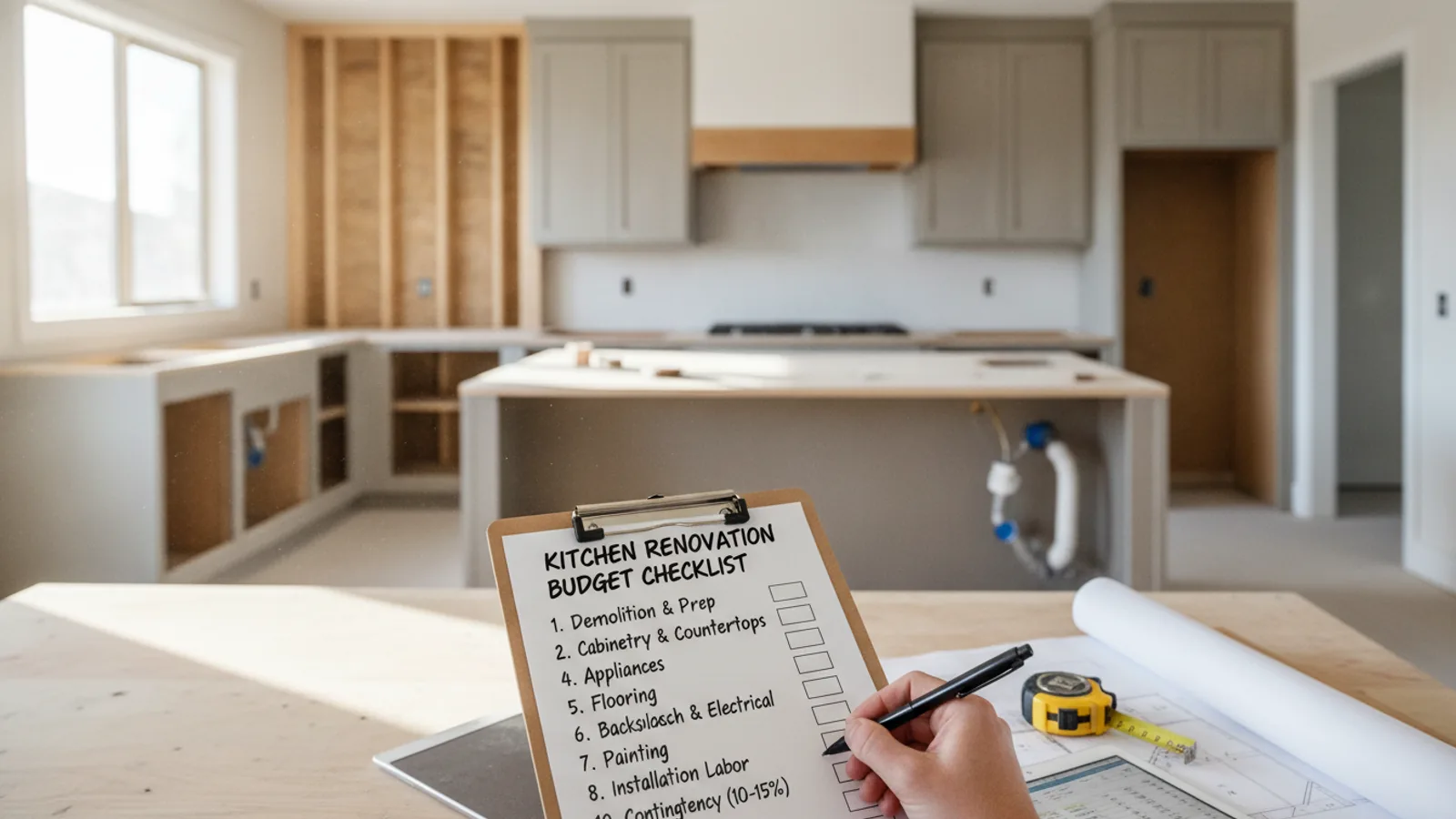
Use this final checklist to ensure you've covered all crucial aspects of your new build home budget before committing to a purchase.
- Mortgage in Principle secured.
- Full deposit funds verified and accessible.
- Comprehensive budget spreadsheet created and regularly updated.
- All known upfront fees (mortgage arrangement, valuation, legal, Stamp Duty) accounted for.
- Essential upgrades and extras (e.g., critical flooring, basic landscaping) budgeted.
- Contingency fund (at least 5-10% of total cost) set aside for unforeseen expenses.
- Removals costs and initial household setup expenses (e.g., first month's utilities) planned.
- Professional snagging survey booked for before legal completion.
- Clear understanding of ongoing costs (service charge, ground rent) and their potential for increase.
- Buildings insurance quote obtained and ready for activation.
- Reviewed developer's reputation and customer service record.
- Considered the long-term impact of any leasehold terms.
- Have a clear plan for furnishing and decorating the new property.
By diligently working through this new build home budget checklist, you'll be well-prepared to navigate the financial complexities of buying a new home in Great Britain, helping you achieve a smoother and more confident move.