Period Home Before You Renovate
A practical step-by-step guide to period home before you renovate, including preparation, instructions, common issues, tips, and next steps.
Period Home Before You Renovate
This guide explains how to approach period home before you renovate, including the preparation, practical steps, common mistakes, and final checks that help you finish with confidence.
Before You Start
Step-by-Step Instructions
Quick Reference
Common Problems When You Renovate a Period Home
Renovating a period home can be hugely rewarding, but it's often accompanied by a unique set of challenges. Being aware of these common problems can help you prepare and mitigate their impact on your project.
Unexpected Discoveries and Hidden Defects
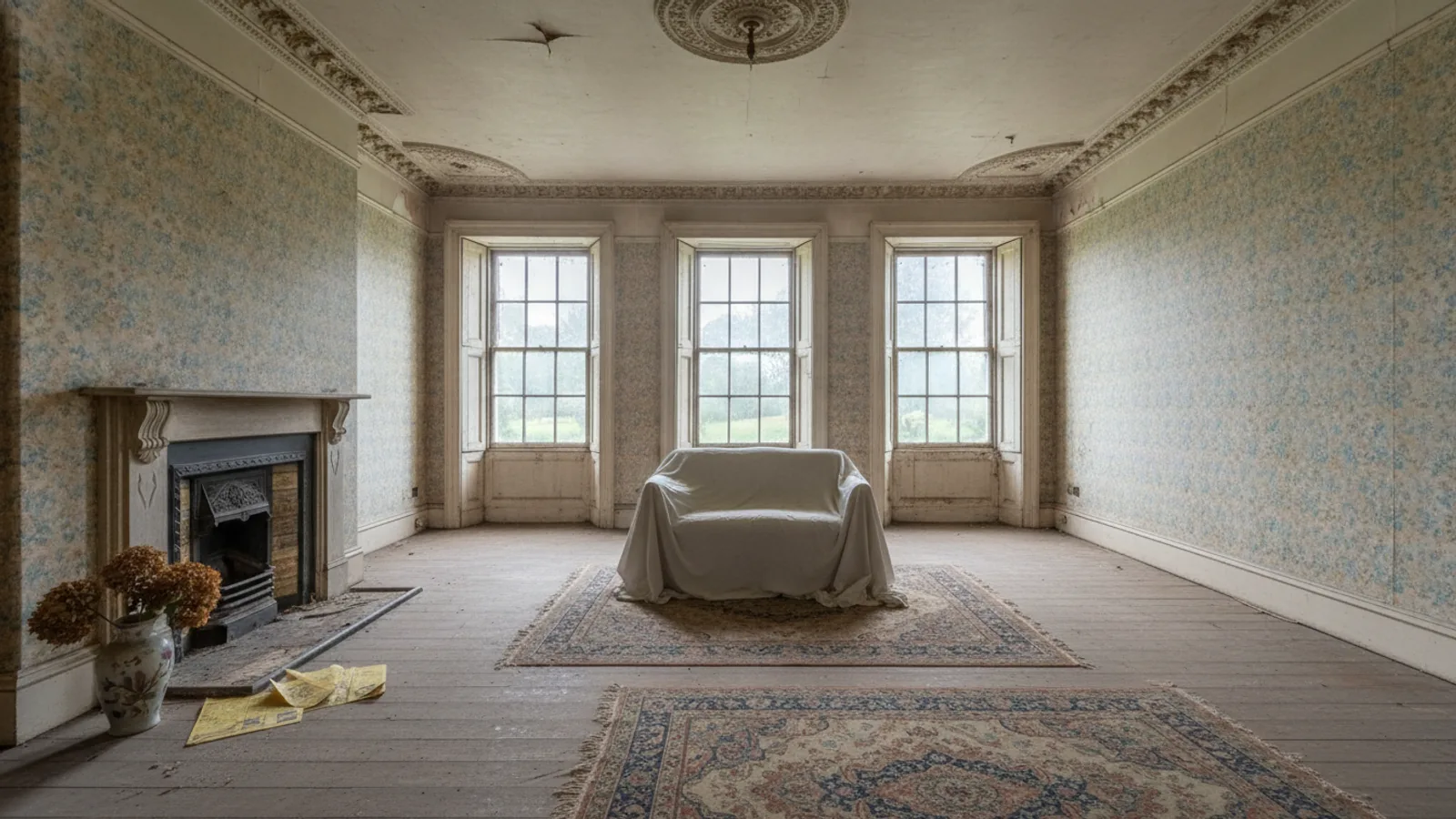
Older homes are full of surprises. You might pull back wallpaper to find rotten plaster, lift floorboards to discover widespread woodworm, or uncover outdated and dangerous electrical wiring behind walls. Even with a thorough survey, some issues only become apparent once work begins. These unexpected discoveries can significantly impact your timeline and budget.
Damp and Moisture Issues
Damp is a prevalent problem in many period properties, often due to altered drainage, modern impermeable materials, or lack of proper ventilation. It can manifest as rising damp, penetrating damp, or condensation. Incorrectly treating damp (e.g., using modern cement renders on traditional breathable walls) can worsen the problem.
Outdated Services (Electrical, Plumbing, Heating)
Many period homes have electrical wiring that predates modern safety standards, lead or steel plumbing pipes that are corroded, or inefficient heating systems. Upgrading these can be a major undertaking, often requiring disruption to walls and floors.
Sourcing Appropriate Materials and Skilled Trades
Finding period-appropriate materials (e.g., lime mortar, specific brick types, traditional sash window components) and tradespeople skilled in traditional techniques can be challenging. Many general builders lack the specialist knowledge required for sensitive restoration work.
Planning Permission and Listed Building Consent Delays
Navigating the planning system, especially for Listed Buildings, can be complex and time-consuming. Applications may require detailed drawings, historical impact assessments, and can face objections or lengthy review periods.
Advanced Tips for Period Home Before You Renovate
Once you've grasped the basics, these advanced tips can help you achieve an even more successful and historically sympathetic renovation of your period home.
Consider a Building Archaeology Report
For truly historic or architecturally significant homes, a building archaeology report goes beyond a standard survey. It involves a detailed study of the building's fabric, revealing its evolutionary history through analysis of construction phases, materials, and alterations. This can uncover hidden original features and provide a deeper understanding of the building's story, guiding highly sensitive restoration.
Embrace Sustainable Renovation Techniques
Many traditional building methods are inherently sustainable. Instead of replacing, consider restoring. Use breathable materials like lime plaster, lime mortar, and natural paints, which allow the building to manage moisture effectively. Improve energy efficiency through sympathetic insulation (e.g., internal wall insulation that doesn't cause condensation issues) and draught-proofing original windows, rather than immediate replacement.
Join Local History or Conservation Groups
Becoming a member of a local history society, civic trust, or a national conservation body can provide invaluable resources. These groups often have detailed knowledge of local building styles, access to historical archives, and can recommend specialist tradespeople. They can also offer support and advice based on others' experiences with similar properties.
Plan for Phased Renovation Over Several Years
If your period home requires extensive work, consider a long-term, phased renovation strategy. This allows you to spread the financial burden, live in the property while work progresses, and adjust plans as you learn more about the house. Tackle essential structural and weatherproofing issues first, then move onto services, and finally aesthetic improvements.
Commission a Digital Survey (Laser Scanning)
For complex properties or if you're planning significant structural changes, a digital survey using laser scanning can create highly accurate 3D models and floor plans. This provides an unparalleled level of detail, helping architects and engineers design precisely and identify potential clashes before they occur, reducing errors and waste on site.
Research Traditional Joinery and Craftsmanship
Period homes often feature bespoke joinery, from sash windows to intricate architraves and doors. Rather than opting for off-the-shelf modern replacements, seek out specialist joiners who can repair, replicate, or create new pieces using traditional methods and appropriate timber. This preserves the authenticity and value of your home.
Understand the "Breathing" Nature of Old Buildings
Traditional buildings are designed to breathe, allowing moisture to escape slowly through their walls. Modern materials like cement renders, impermeable paints, and cavity wall insulation (in solid walls) can trap moisture, leading to damp, timber rot, and other problems. Always consult with experts before introducing modern solutions that could harm your period home's natural ventilation and moisture management.
Period Home Before You Renovate FAQ
Here are answers to some frequently asked questions about preparing to renovate a period home.
What exactly is a "period home"?
A "period home" generally refers to a house built in a specific architectural era or historical period, typically before the mid-20th century. Examples include Georgian, Victorian, Edwardian, or Art Deco properties, each with distinct architectural styles, construction methods, and materials. These homes often possess unique character and historical significance.
Why is it so important to research before renovating an old house?
Research is crucial for several reasons: it helps you understand the building's unique construction and potential vulnerabilities, identifies hidden issues (like damp or structural problems) that could be costly if ignored, informs sympathetic design choices that preserve character, and ensures you comply with any legal restrictions for listed buildings or conservation areas. Skipping this step can lead to expensive mistakes, damage to the property, and even legal penalties.
What is a Listed Building, and how does it affect my renovation plans?
A Listed Building is a building of special architectural or historic interest that is protected by law. This protection means that any alteration, extension, or demolition that affects its character requires **Listed Building Consent** from your local planning authority. This is separate from, and often in addition to, standard planning permission. Even minor changes to the interior or exterior can require consent, and unauthorised work can result in significant fines or even imprisonment. Always check before you touch anything.
Do I need planning permission for every change in a period home?
Not for *every* single change, but you need to be very careful. For non-listed period homes, minor internal alterations might not need permission. However, extensions, significant external changes (like new windows or doors), or changes to the roof usually do. If your home is in a Conservation Area, external changes are subject to stricter controls. If it's a Listed Building, nearly *any* alteration, internal or external, will require Listed Building Consent. Always check with your local council's planning department first, as rules can vary.
How do I find skilled tradespeople who understand period properties?
Finding specialist trades is key. Look for recommendations from heritage architects, conservation officers, local history societies, or national organisations like the Society for the Protection of Ancient Buildings (SPAB). Ask for references and view examples of their previous work on similar properties. A good specialist will understand traditional materials and techniques, and advise on sympathetic repairs rather than modern replacements.
What is the biggest mistake people make when renovating a period home?
One of the biggest mistakes is failing to understand the building's original construction and trying to apply modern solutions (like cement render on solid walls, or impermeable damp-proof membranes) that are incompatible with traditional building physics. This can trap moisture, leading to long-term damp, rot, and structural issues. Another major error is not checking for Listed Building status or Conservation Area restrictions, leading to unauthorised work and legal problems.
Final Checklist for Period Home Before You Renovate
Use this checklist to ensure you've covered all the essential steps before starting any physical renovation work on your period home.
By diligently completing these steps, you'll be well-prepared to embark on a successful and respectful renovation journey for your period home.