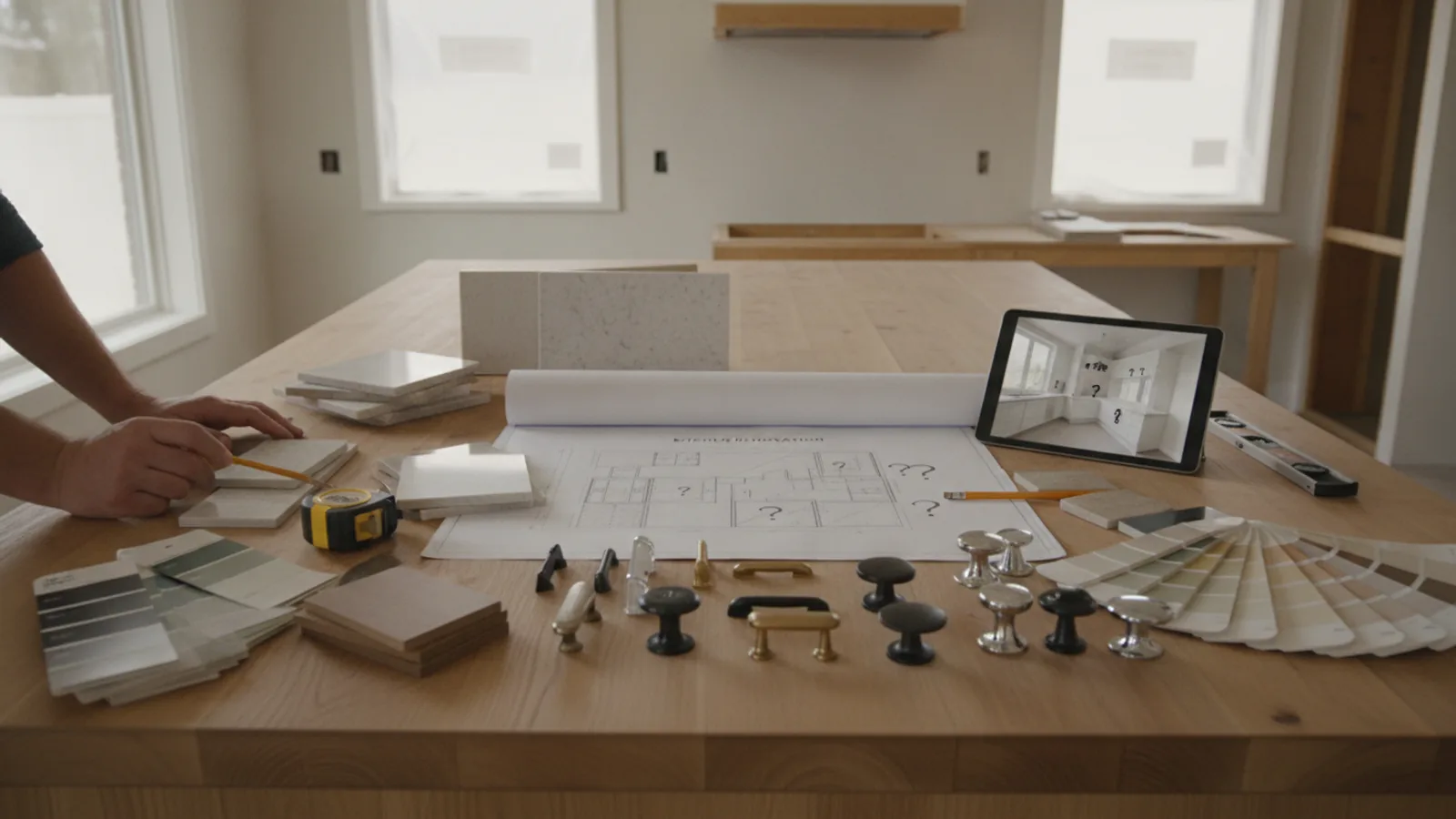
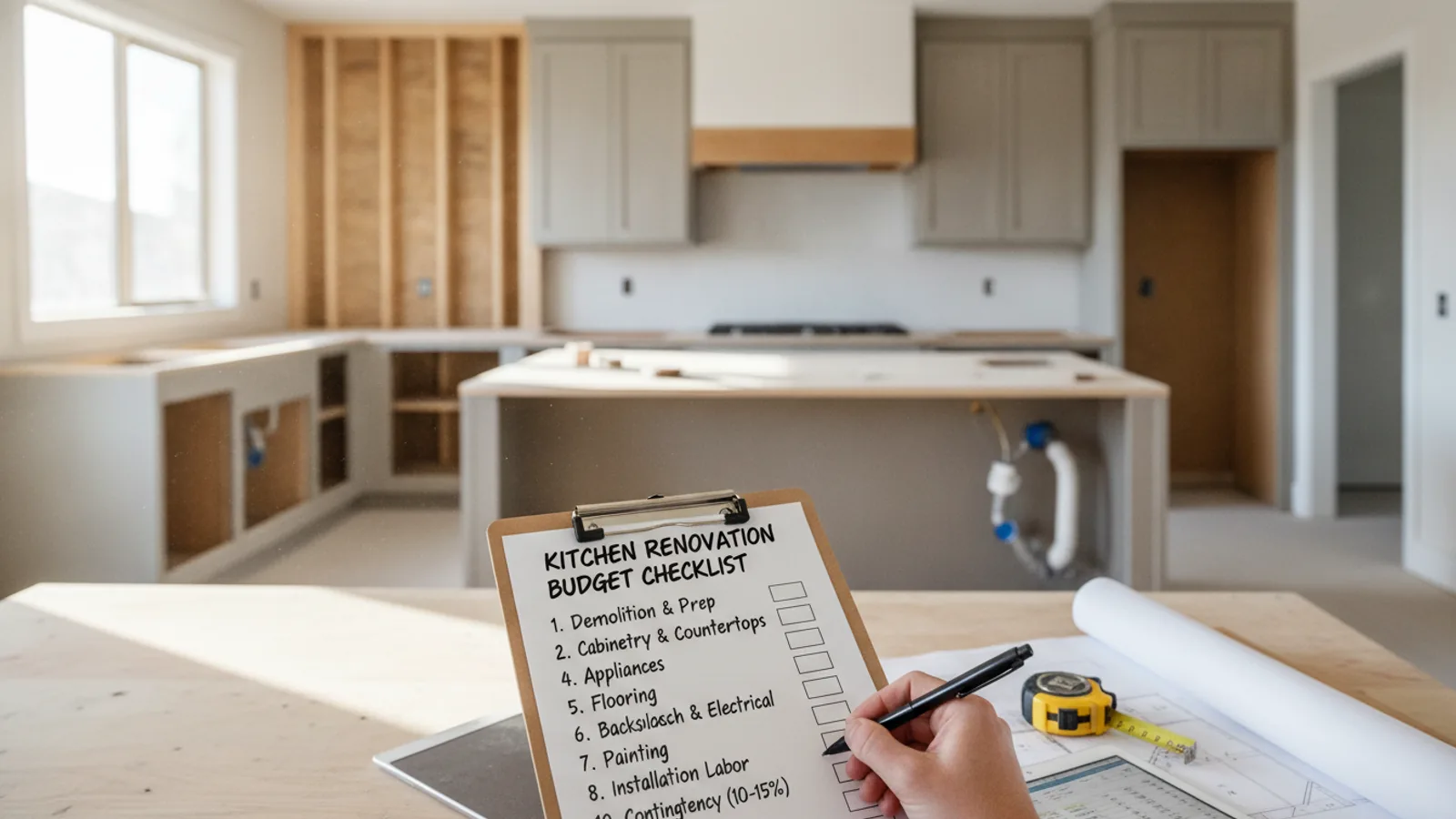
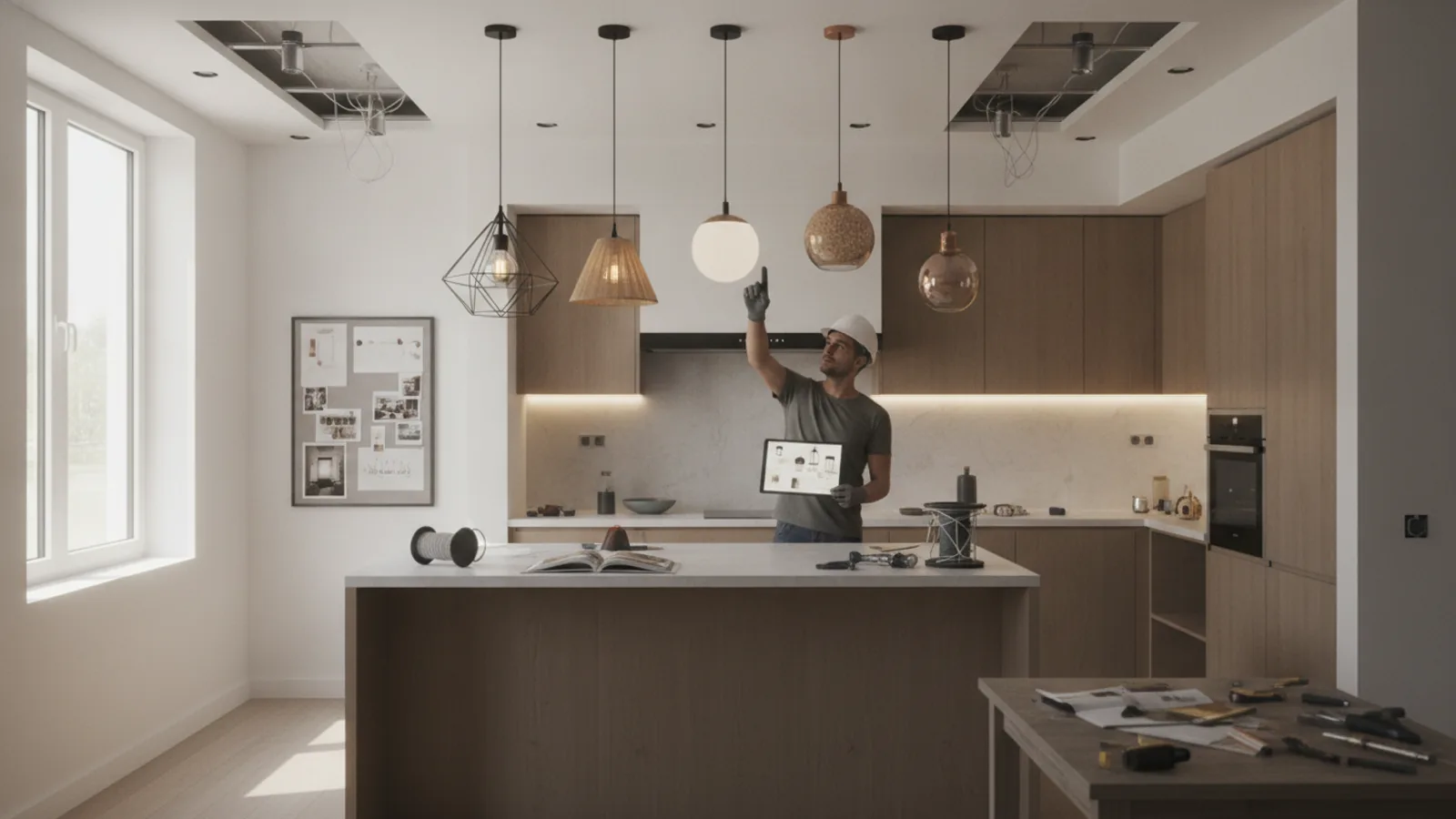
Small House Materials Guide
A practical step-by-step guide to small house materials guide, including preparation, instructions, common issues, tips, and next steps.
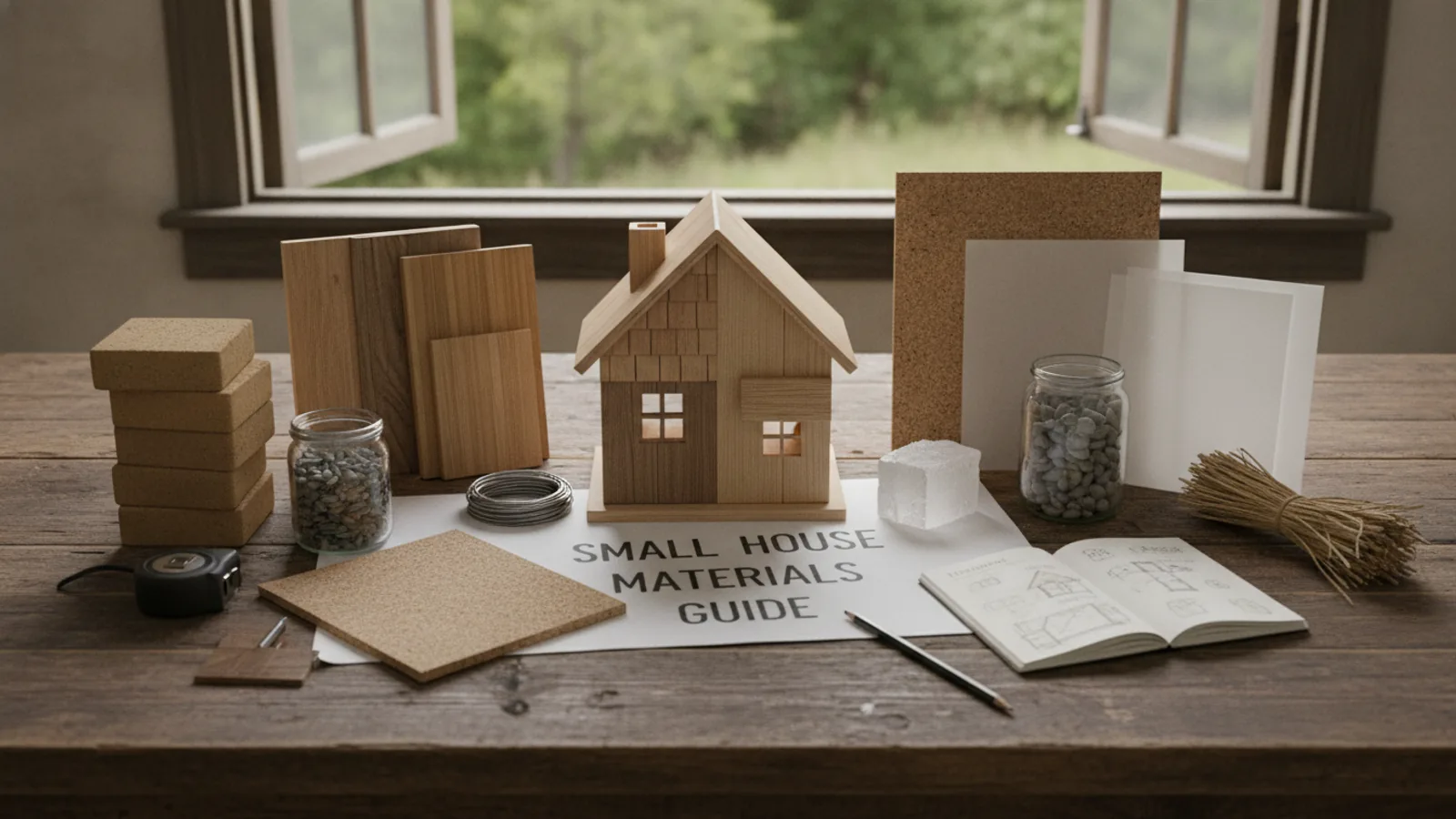
Small House Materials Guide
This guide explains how to approach small house materials guide, including the preparation, practical steps, common mistakes, and final checks that help you finish with confidence.
Before You Start
Step-by-Step Instructions
Quick Reference
Common Problems When You Choose Small House Materials
Even with careful planning, issues can arise when selecting materials for your small home. Understanding common pitfalls can help you avoid them.
Overspending on Premium Materials
Problem: It's easy to get excited about high-end finishes or exotic cladding, but these can quickly inflate your budget beyond what's practical for a small house. Every extra pound spent per square foot adds up significantly, even in a compact space.
Fix: Stick to your prioritised budget from Step 10. Research durable, aesthetically pleasing alternatives that offer similar benefits at a lower cost. Focus on key areas for splurge items, like a standout kitchen counter, and choose more economical options for less critical surfaces.
Choosing Materials Unsuitable for Your Climate
Problem: Selecting materials that don't perform well in your specific local climate can lead to premature wear, maintenance headaches, or poor energy efficiency. For example, wood siding without proper treatment in a very humid environment, or light insulation in a freezing one.
Fix: Always research how materials behave in your region's typical weather conditions (e.g., heavy rain, strong sun, extreme temperatures, coastal salt spray). Consult local builders or suppliers for recommendations tailored to your area.
Ignoring Local Building Codes and Regulations
Problem: Failing to comply with local planning and building regulations can lead to costly fines, forced modifications, or even demolition orders. Codes often dictate material fire ratings, insulation R-values, and structural requirements.
Fix: Before purchasing any materials, **obtain copies of your local building codes** (Step 2 check). Consult with a local planning officer or an architect familiar with small home regulations in your area to ensure all your chosen materials meet the necessary standards.
Underestimating Installation Difficulty
Problem: Some materials, while appealing, require specialised tools, skills, or significant labour to install correctly. If you're planning to DIY, choosing complex materials can slow down your project or result in a substandard finish.
Fix: Be realistic about your own skills and available labour. For DIY projects, opt for materials known for easier installation, such as pre-cut timber components, tongue-and-groove panelling, or simple fibre cement siding. Always read installation guides thoroughly before committing.
Not Considering Long-Term Maintenance
Problem: A low-cost material might seem attractive initially, but if it requires frequent repainting, sealing, or repairs, its long-term cost of ownership can be higher. This is especially true for exterior materials.
Fix: When evaluating materials, always ask about their **expected lifespan and maintenance requirements**. Balance initial cost with ongoing upkeep. For example, metal roofing has a higher upfront cost but minimal maintenance over its 50+ year lifespan, compared to asphalt shingles which need replacement every 20-30 years.
Advanced Tips for Small House Materials Guide
Once you're comfortable with the basics, these advanced strategies can help you optimise your small house material choices for even better performance, sustainability, and value.
Embrace a Limited Material Palette
For small spaces, using a **limited selection of 2-3 primary materials** for the exterior and interior can create a cohesive, sophisticated, and less cluttered look. This approach not only simplifies the design process but can also lead to cost savings through bulk purchasing and reduced waste from fewer different material types on site. It helps create visual harmony and makes the space feel more intentional and calming.
Explore Reclaimed and Recycled Materials
Sourcing reclaimed timber, bricks, windows, or doors can add unique character and history to your small home while significantly boosting its sustainability credentials. These materials often have a lower embodied energy and prevent waste from going to landfill. Look for architectural salvage yards, local online marketplaces, or even demolition sites (with permission).
Prioritise Thermal Bridges in Your Design
A "thermal bridge" is an area in a building's envelope where insulation is interrupted, allowing heat to escape or enter. Common examples include structural timbers passing through exterior walls or poorly installed windows. For a small house, minimising thermal bridges is critical. Choose building systems like SIPs or insulated concrete forms (ICFs) that naturally reduce bridging, or work with your builder to incorporate continuous insulation layers that wrap the entire structure.
Consider Modular or Prefabricated Components
Many components for small houses, such as entire wall sections with windows already installed, or bathroom pods, can be prefabricated off-site. This leads to higher quality control, faster on-site assembly, and reduced waste. While the upfront cost for custom prefab might be higher, it can significantly lower labour costs and overall build time, making it a cost-effective option for certain projects.
Think About the Full Life Cycle Assessment (LCA)
For truly sustainable choices, go beyond just initial material cost and consider the entire life cycle. This includes the environmental impact of extraction, manufacturing, transportation, installation, maintenance, and eventual disposal or recycling. Some materials with a higher upfront cost, but lower environmental impact and longer lifespan (e.g., metal roofing vs. asphalt shingles), can be more sustainable and cost-effective over the long run.
Small House Materials Guide FAQ
Final Checklist for Small House Materials Guide
Before you finalise your material choices and begin procurement, use this checklist to ensure you've covered all critical considerations.
By systematically working through this guide and checklist, you'll be well-prepared to make confident, informed decisions about the materials for your small house, ensuring a home that is functional, beautiful, and sustainable for years to come.
FAQ
What should I check before I start?
Check the goal, the key prerequisite, and any current instructions that could change the safest next step for small house materials guide.
How can I tell whether the result is working?
Use the practical checks in the guide, pause if a required step is unclear, and verify the finished result against the intended outcome.